Design is the clearest signal a business sends about how seriously it takes itself. Before anyone reads a word of copy or clicks a single button, design has already told them whether to trust you, stay, or leave. It shapes perception at a speed logic can’t match—and in a world where attention is the scarcest resource, that first impression is often the only one you get.
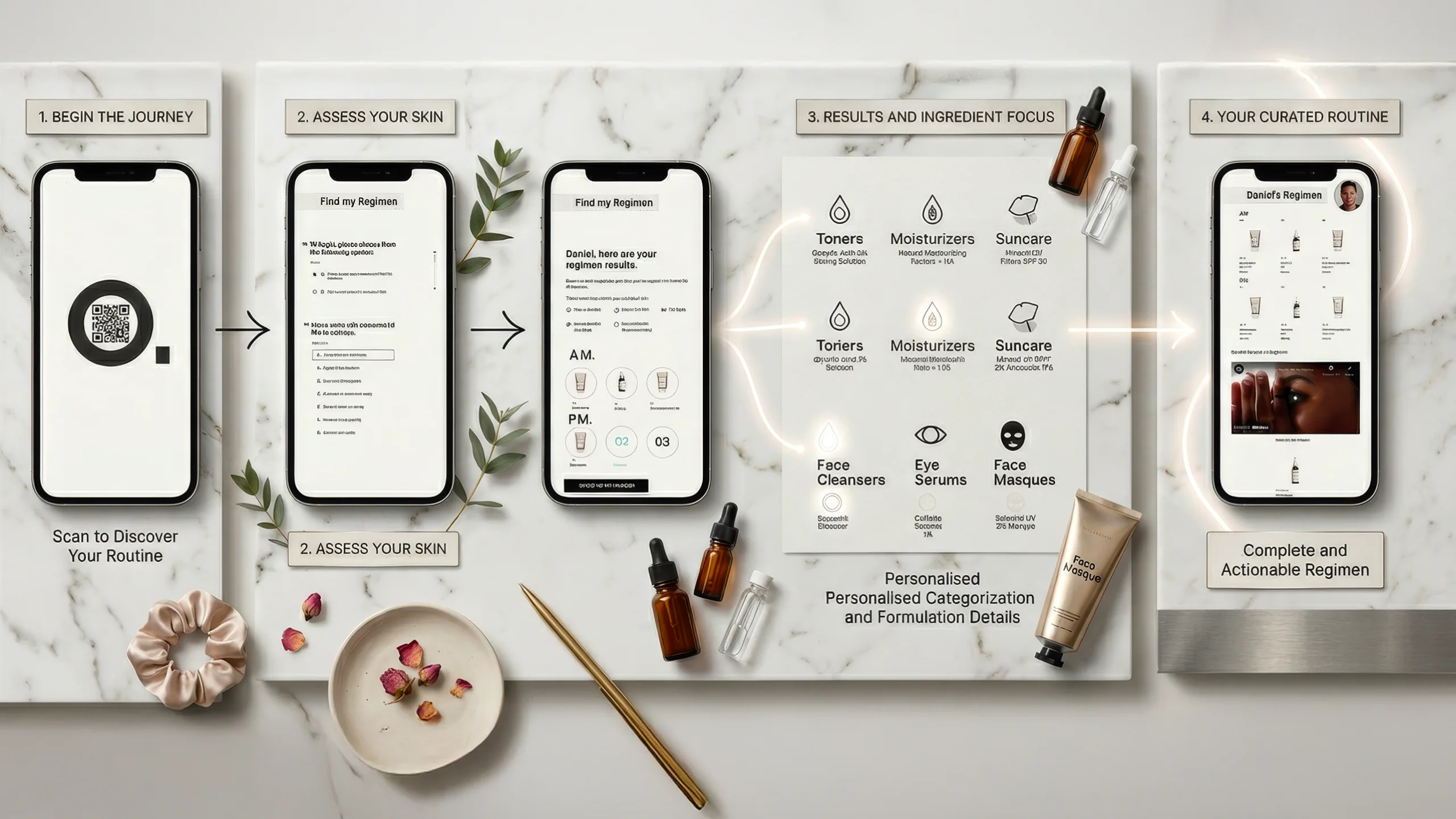
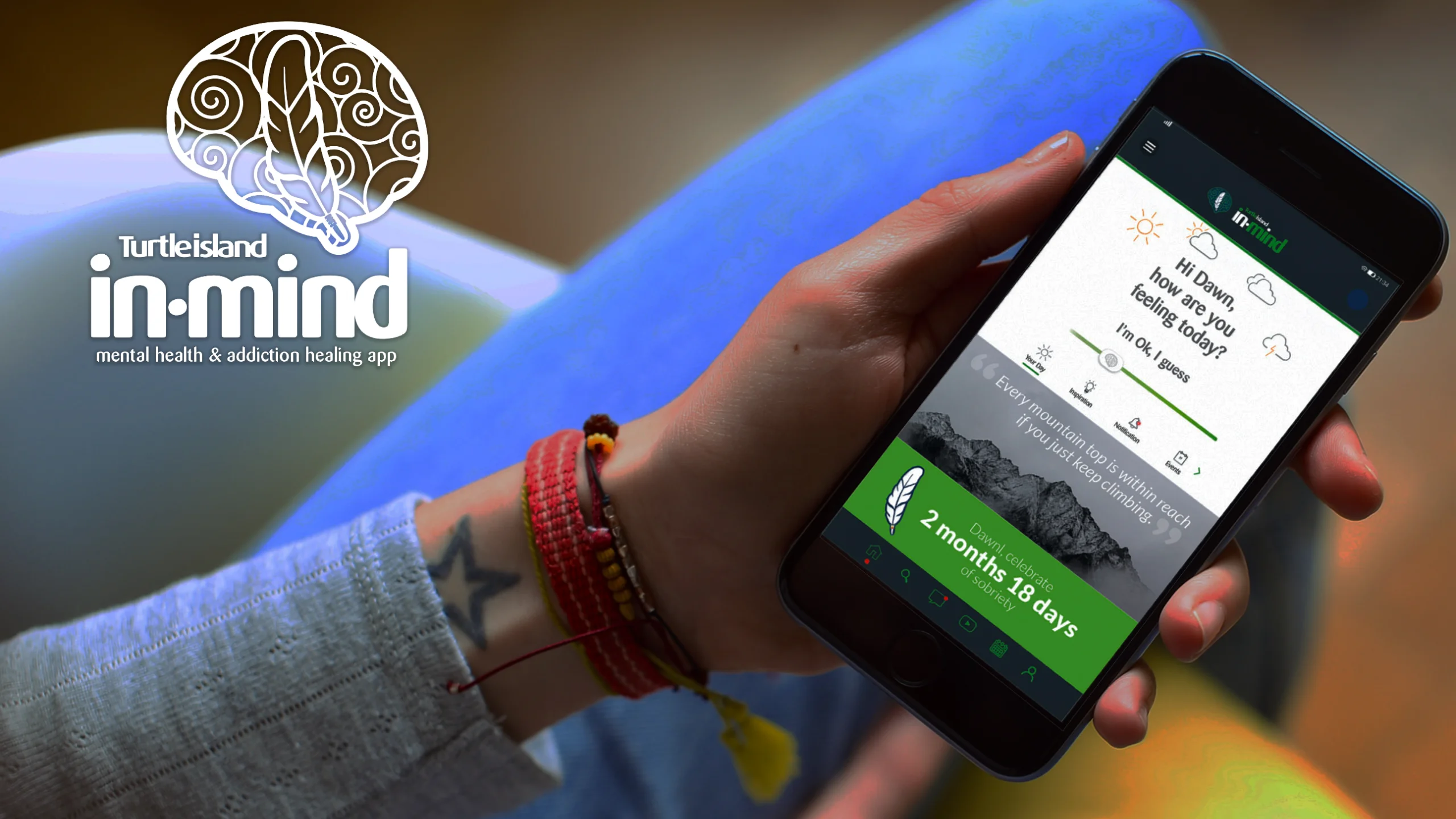
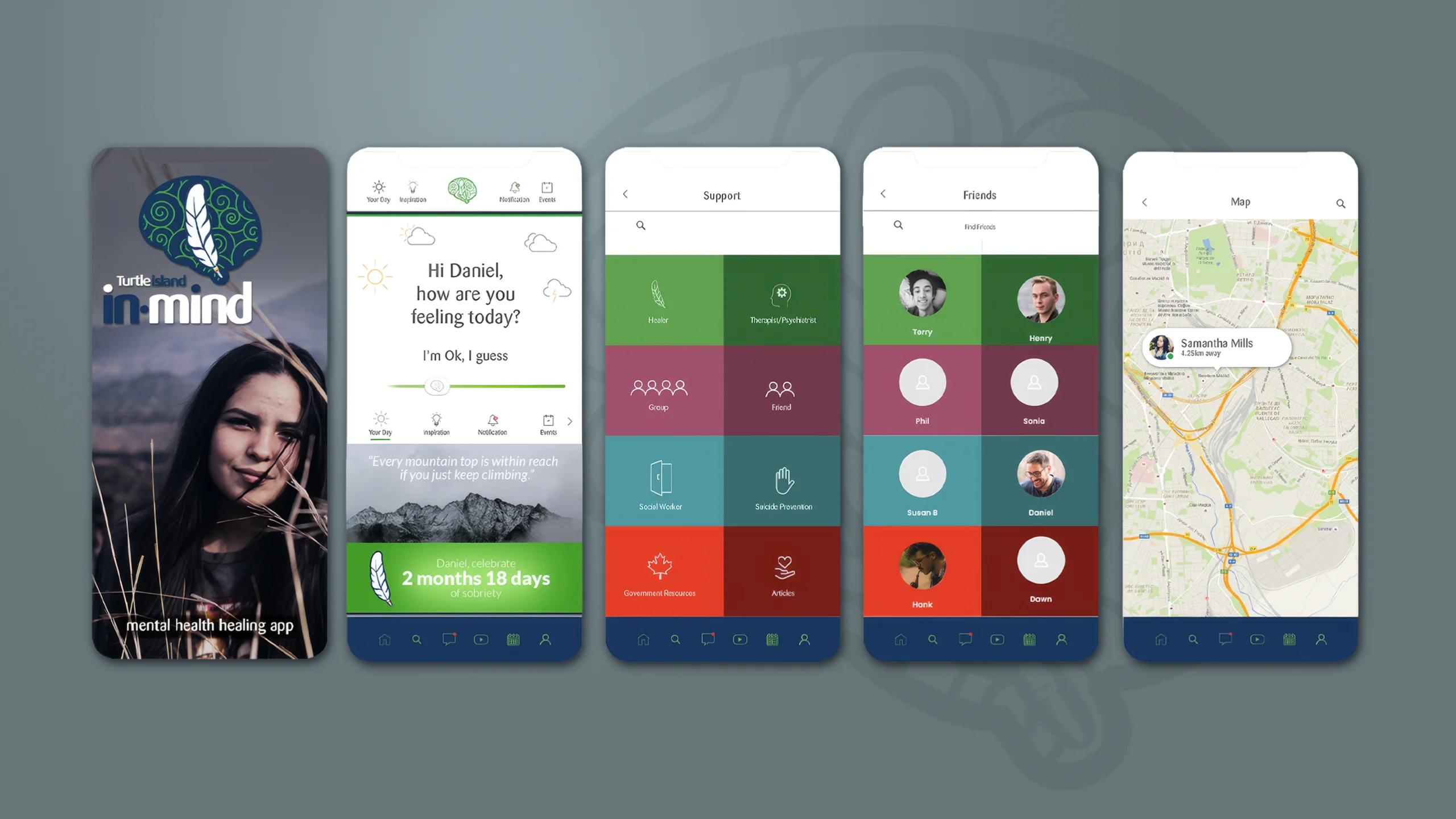
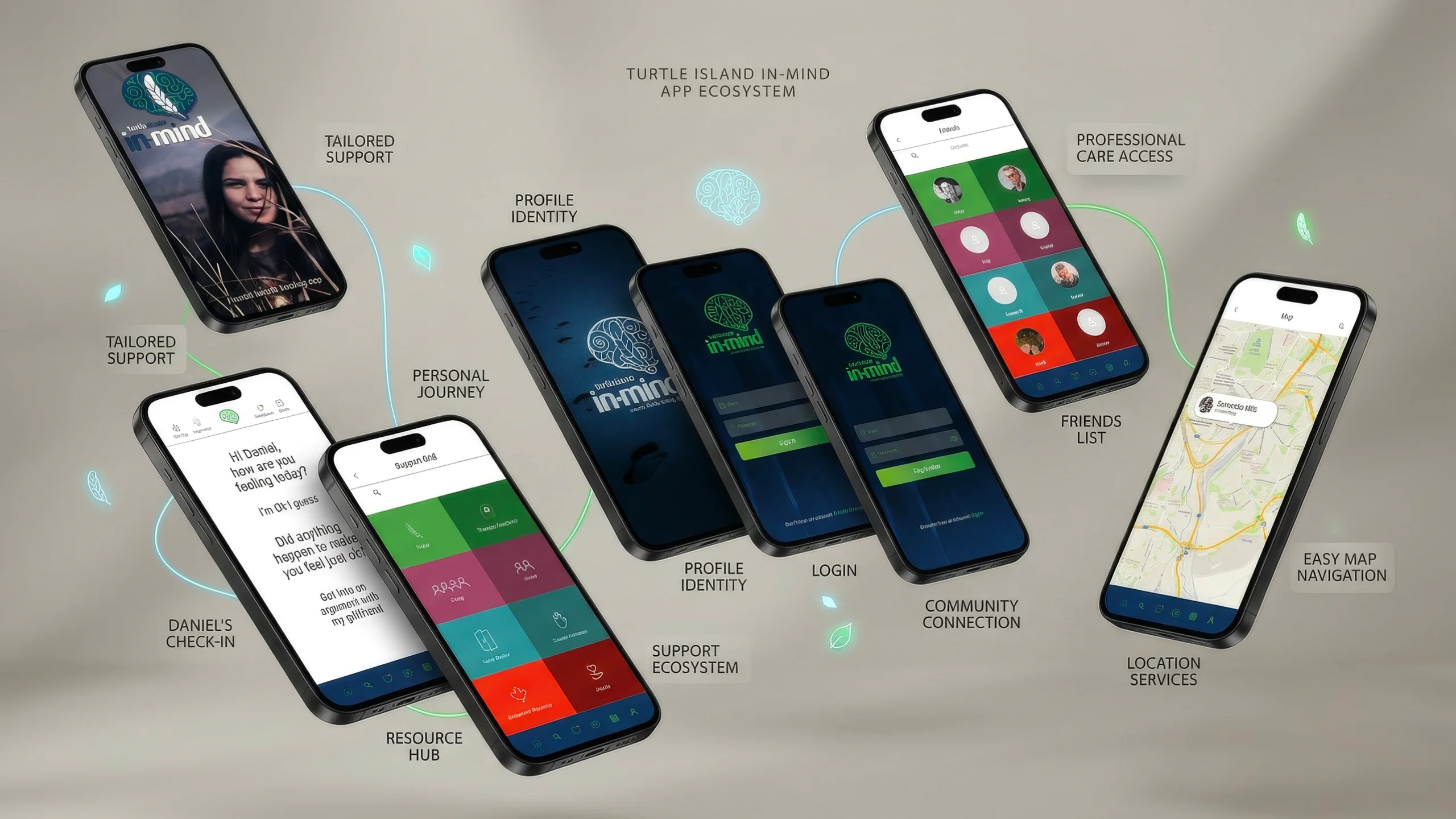
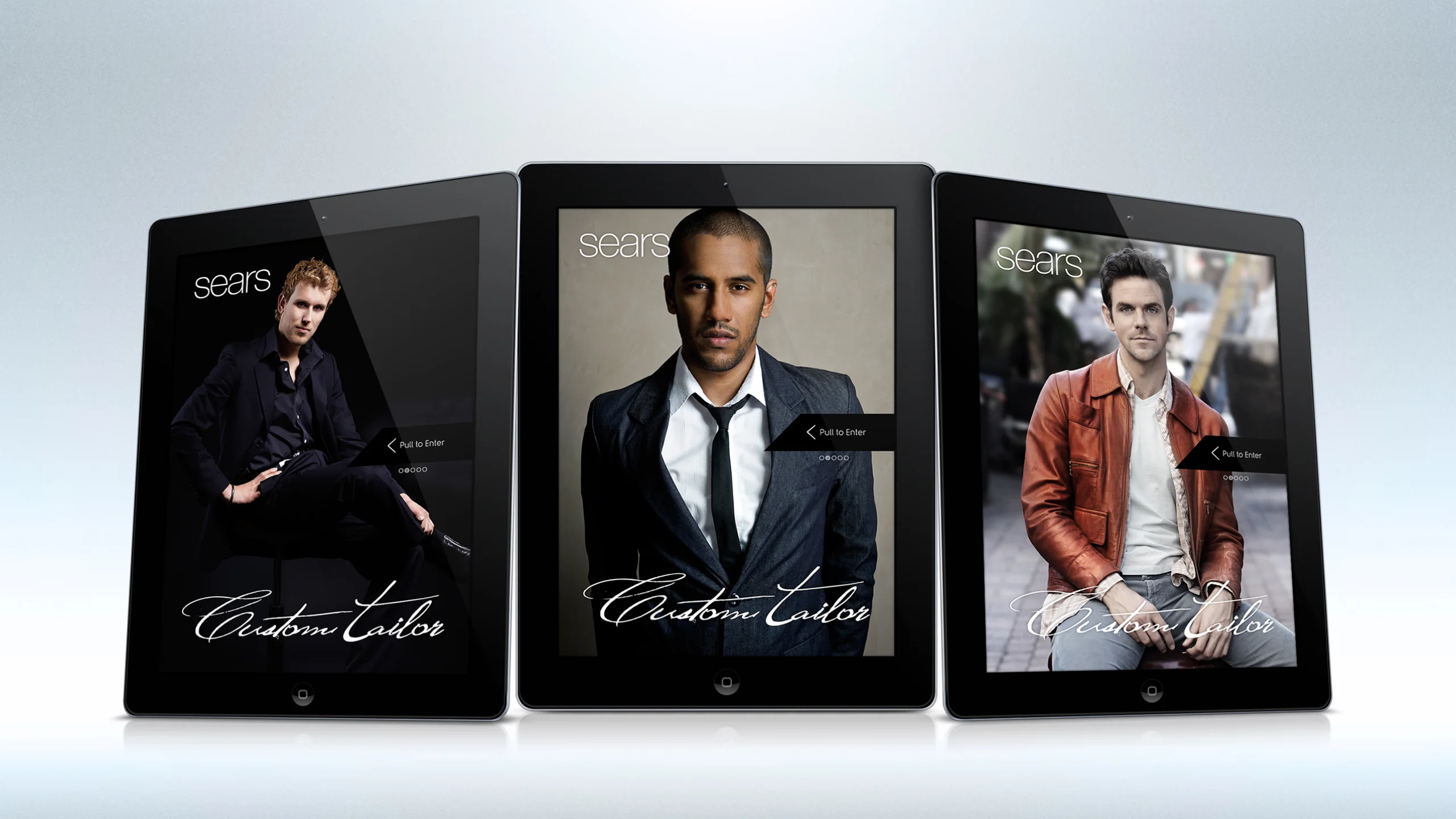
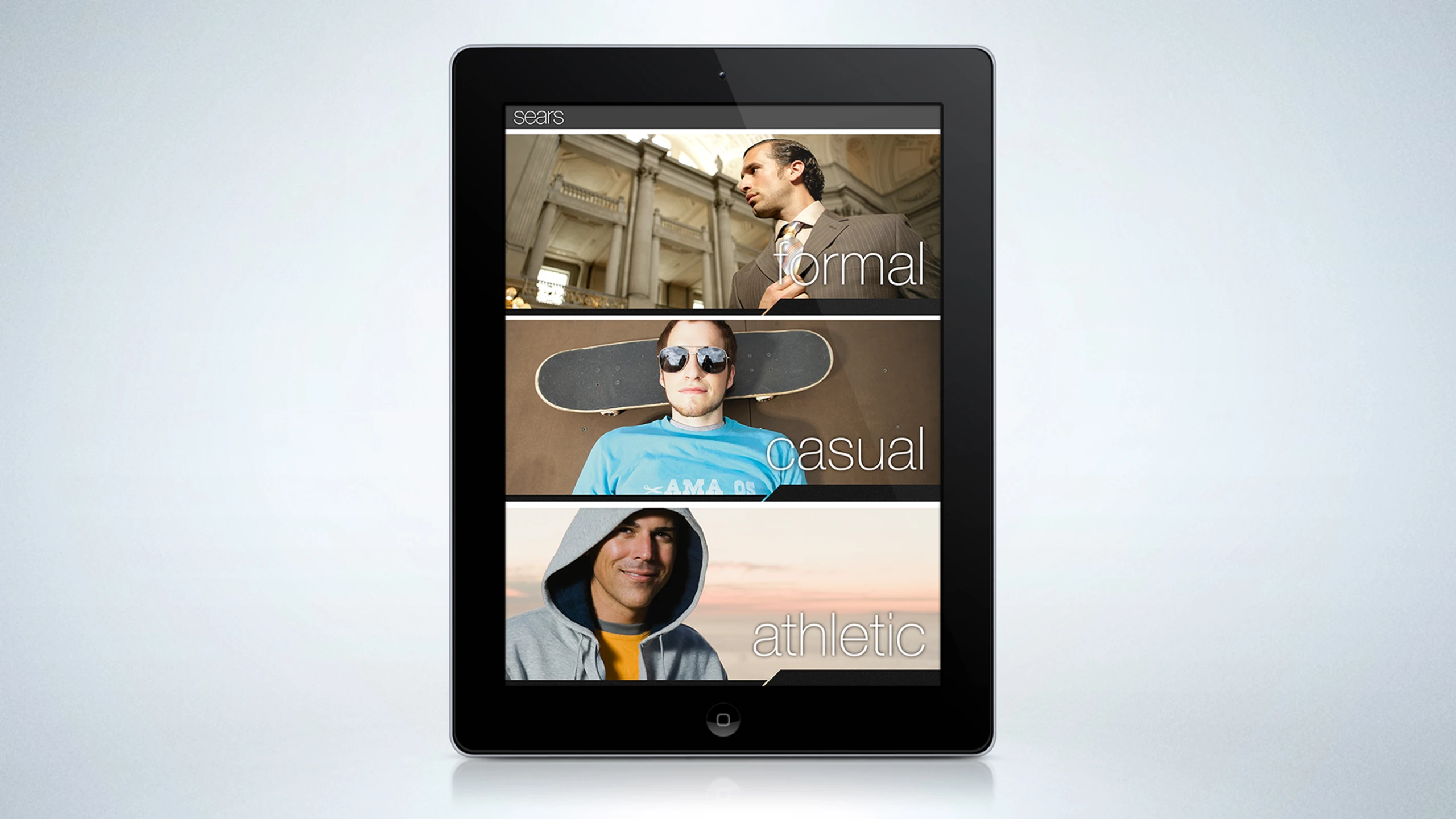
Great design operates across every layer of a business. Art direction gives a brand its visual intelligence,the coherence of image, colour, and composition that makes everything feel considered and intentional. UI design determines whether a digital experience feels effortless or frustrating, whether a user finds what they need or abandons the journey entirely. In digital marketing, design is what stops the scroll, earns the click, and carries the message far enough to matter. And in app development, it’s the difference between a product people open daily and one they delete after a week. In each of these contexts, design isn’t decoration applied after the thinking is done. It is the thinking—the place where strategy becomes something a human being can actually feel and respond to.
The businesses that understand this treat design as infrastructure, not finish. They invest in it early, protect it consistently, and build teams where creative and commercial thinking genuinely inform each other. The ones that don’t tend to spend twice as much fixing the consequences.