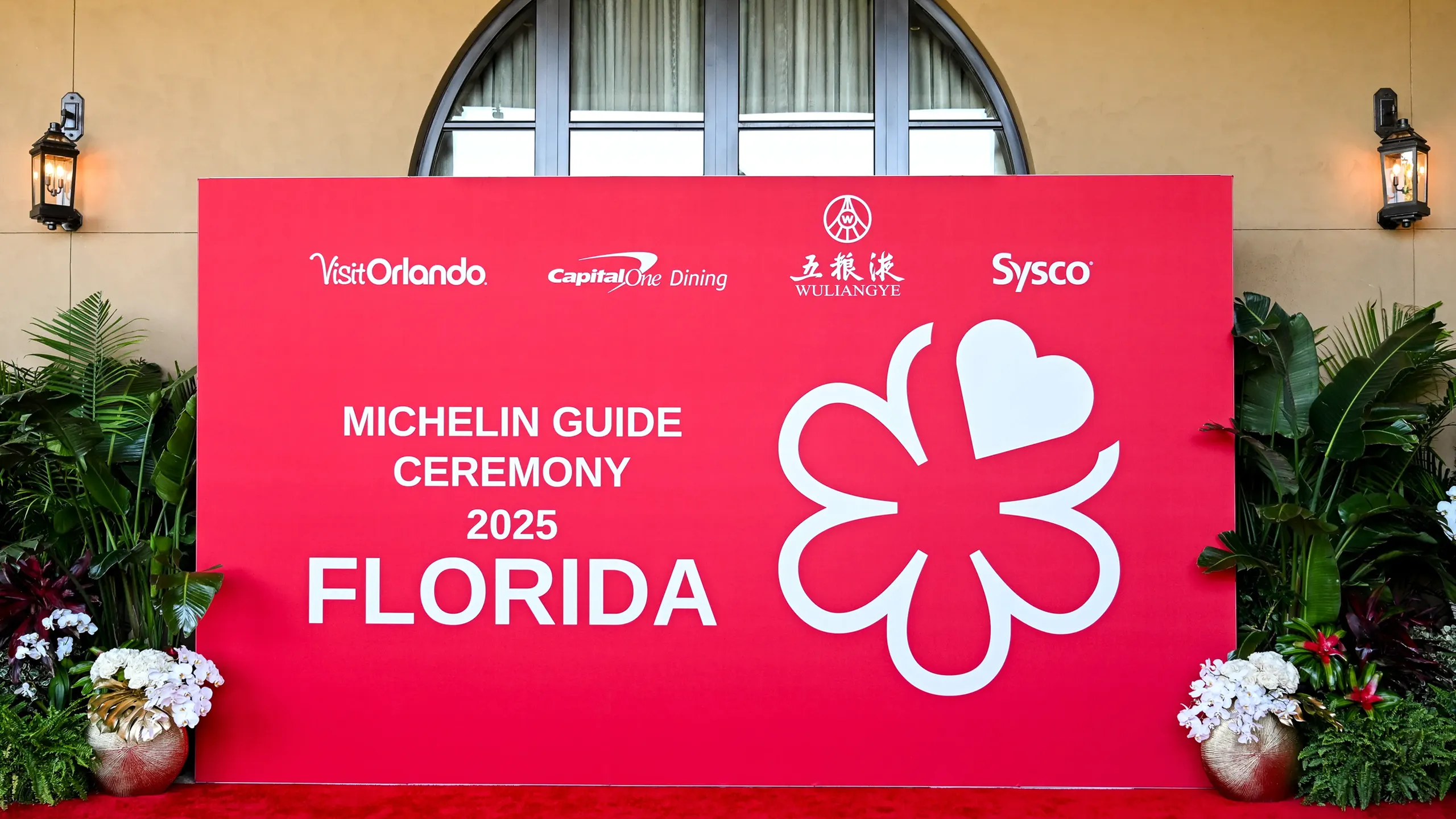
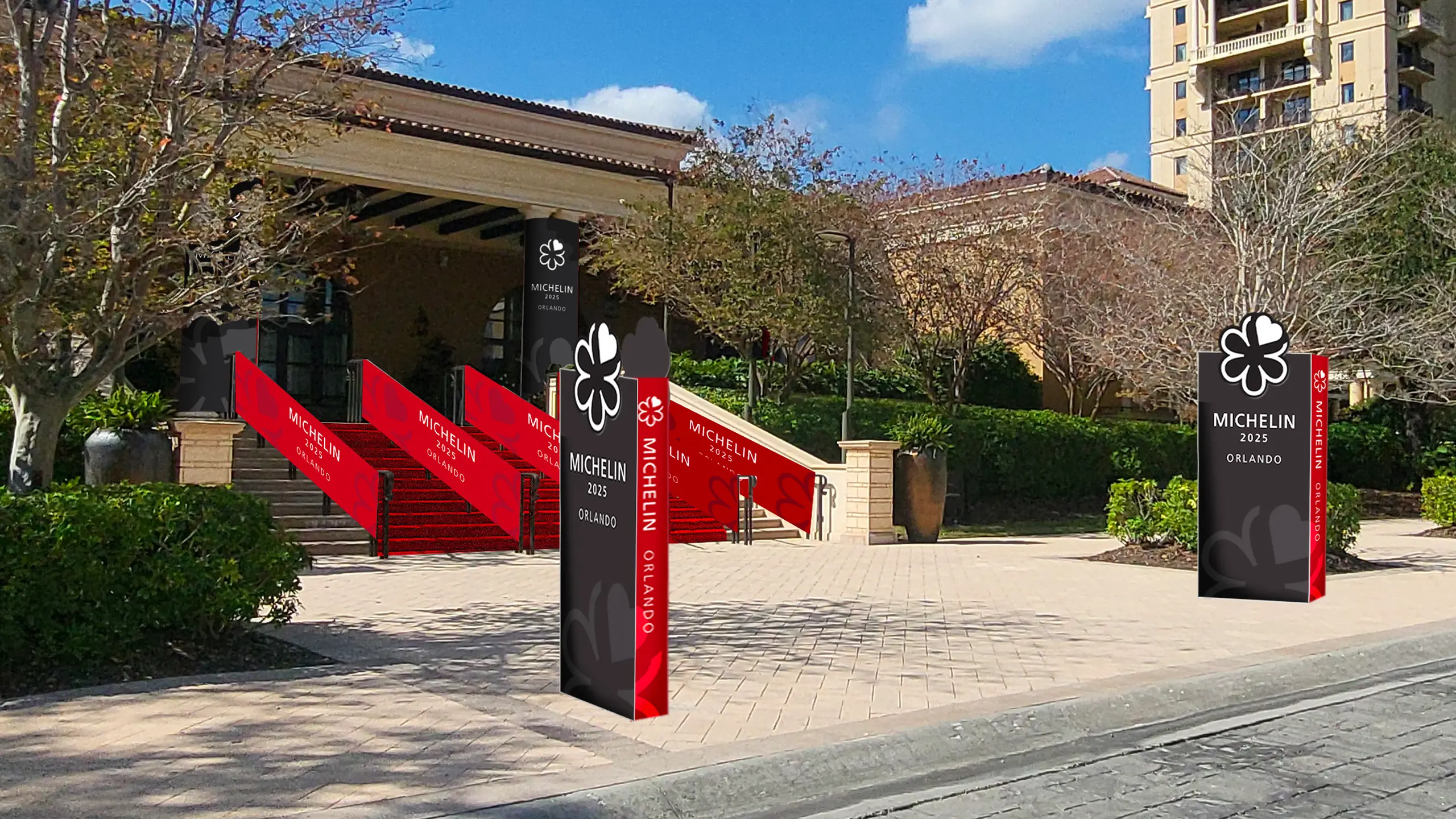
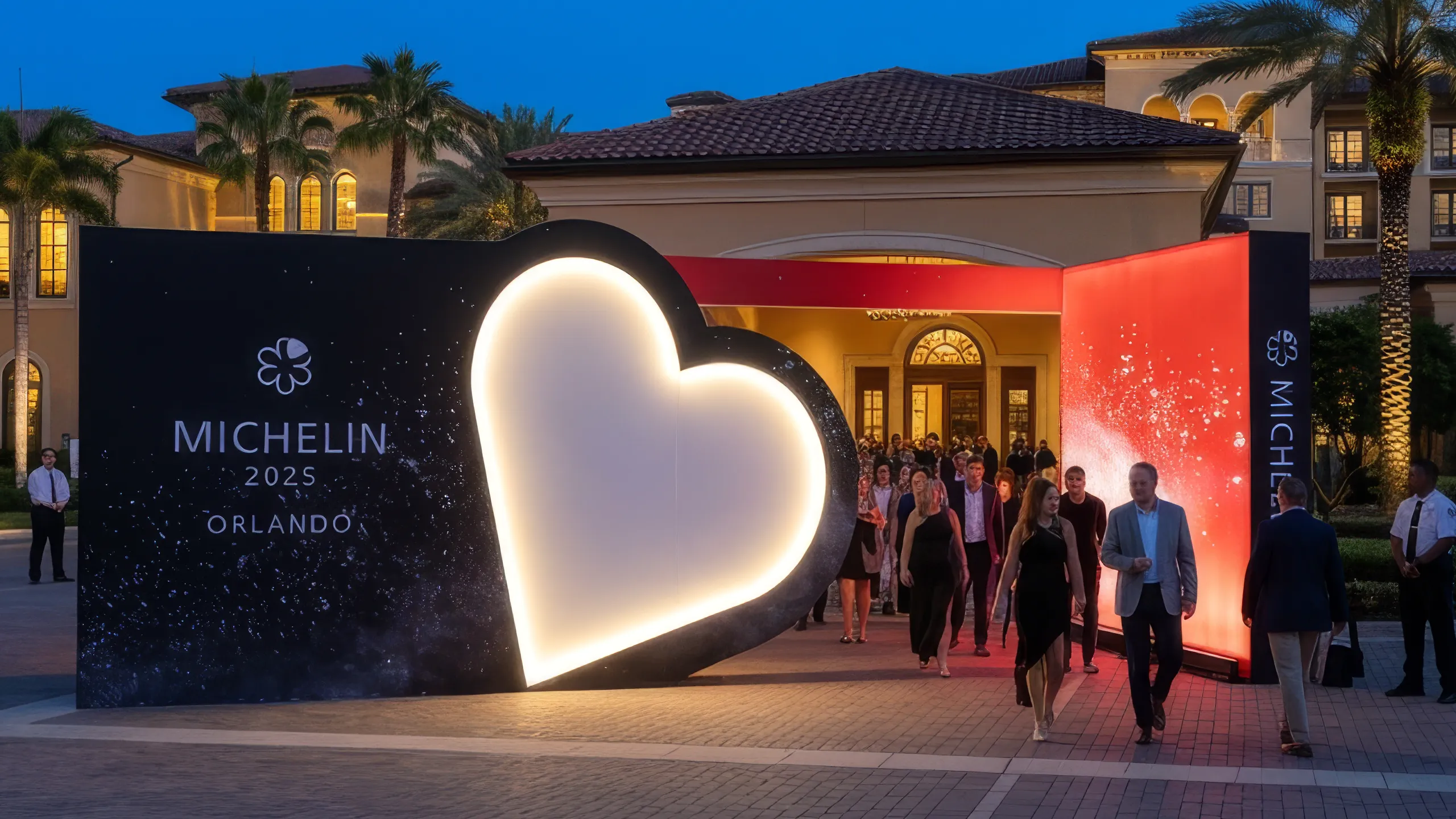
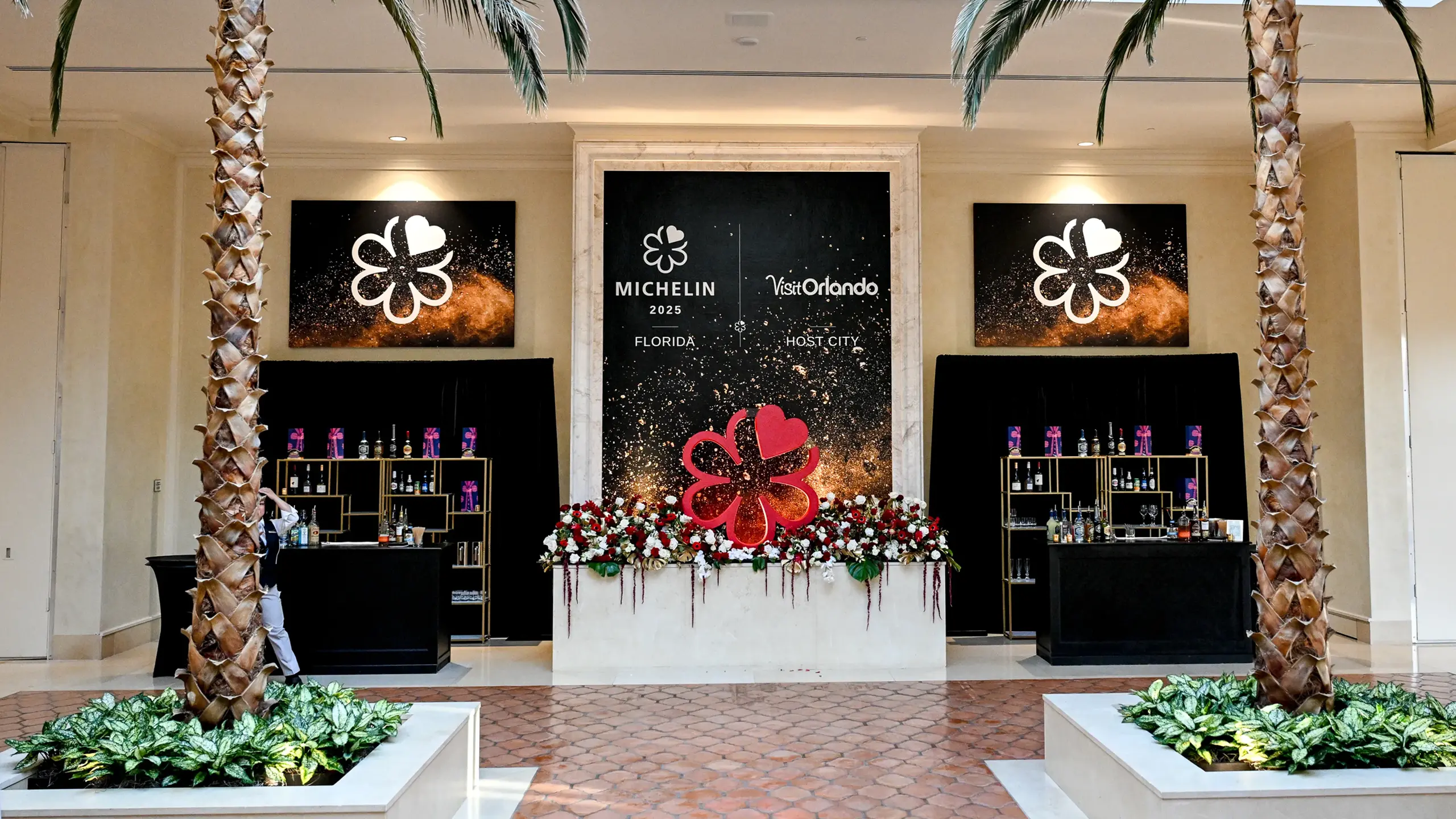
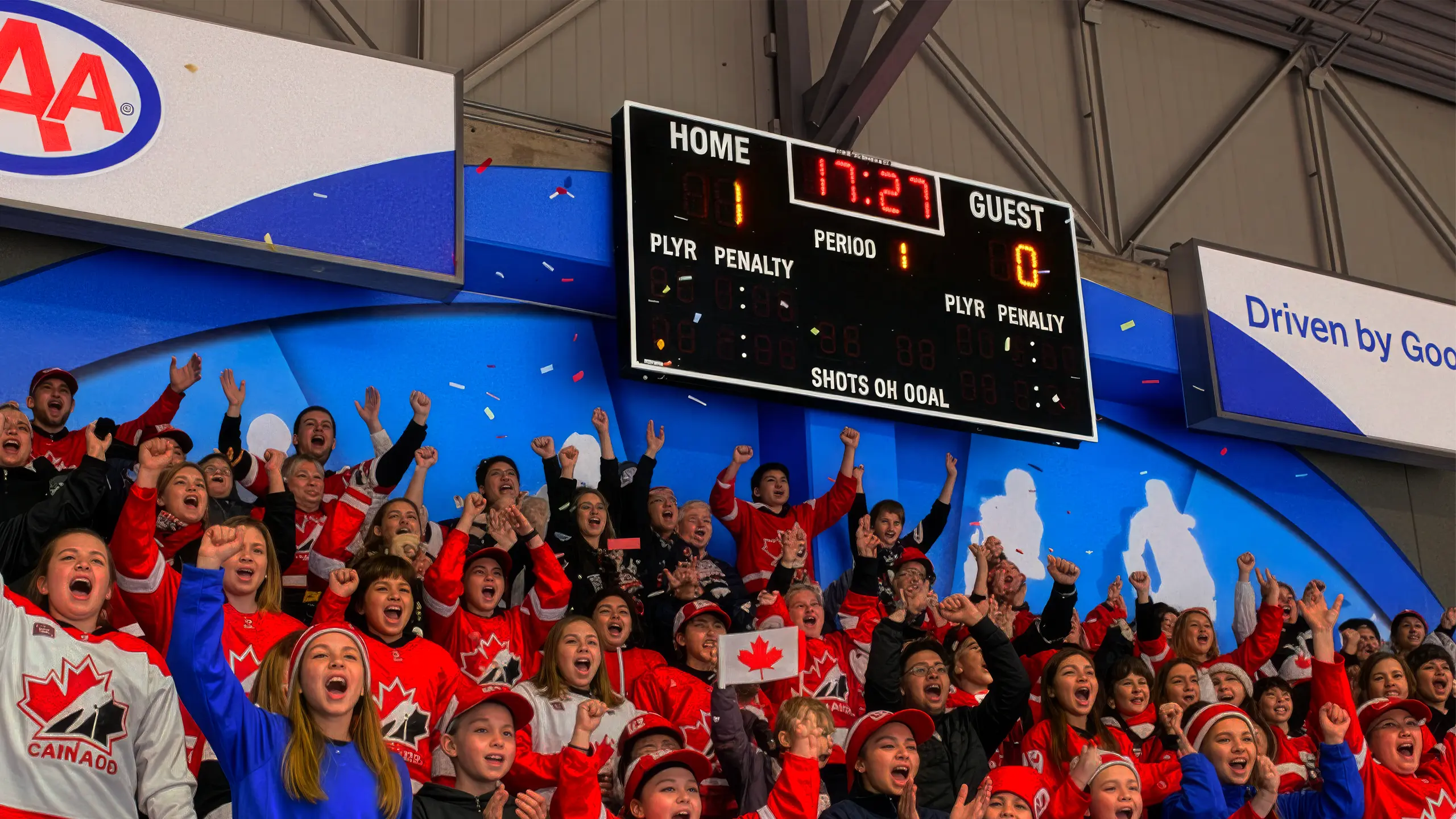
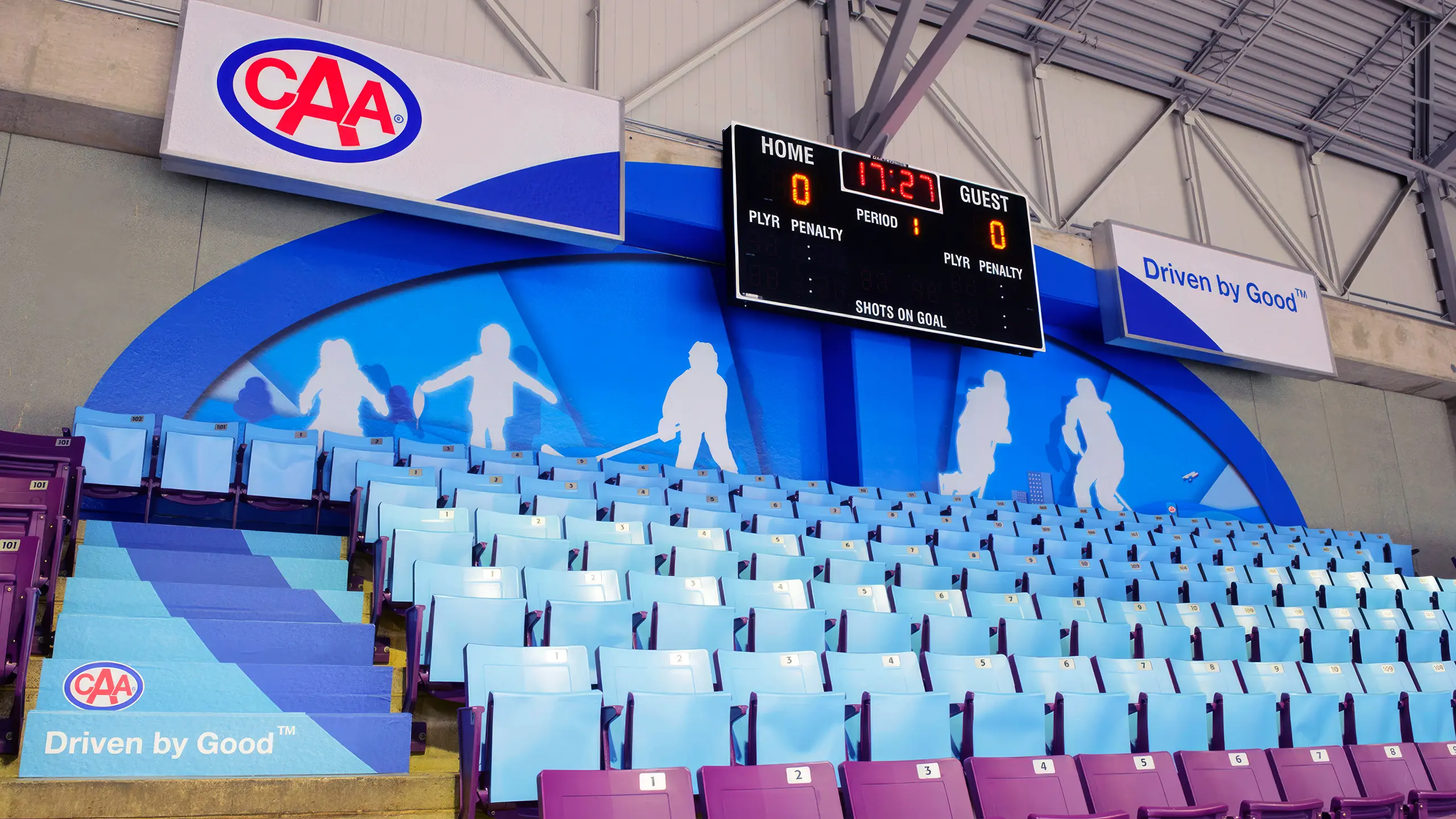
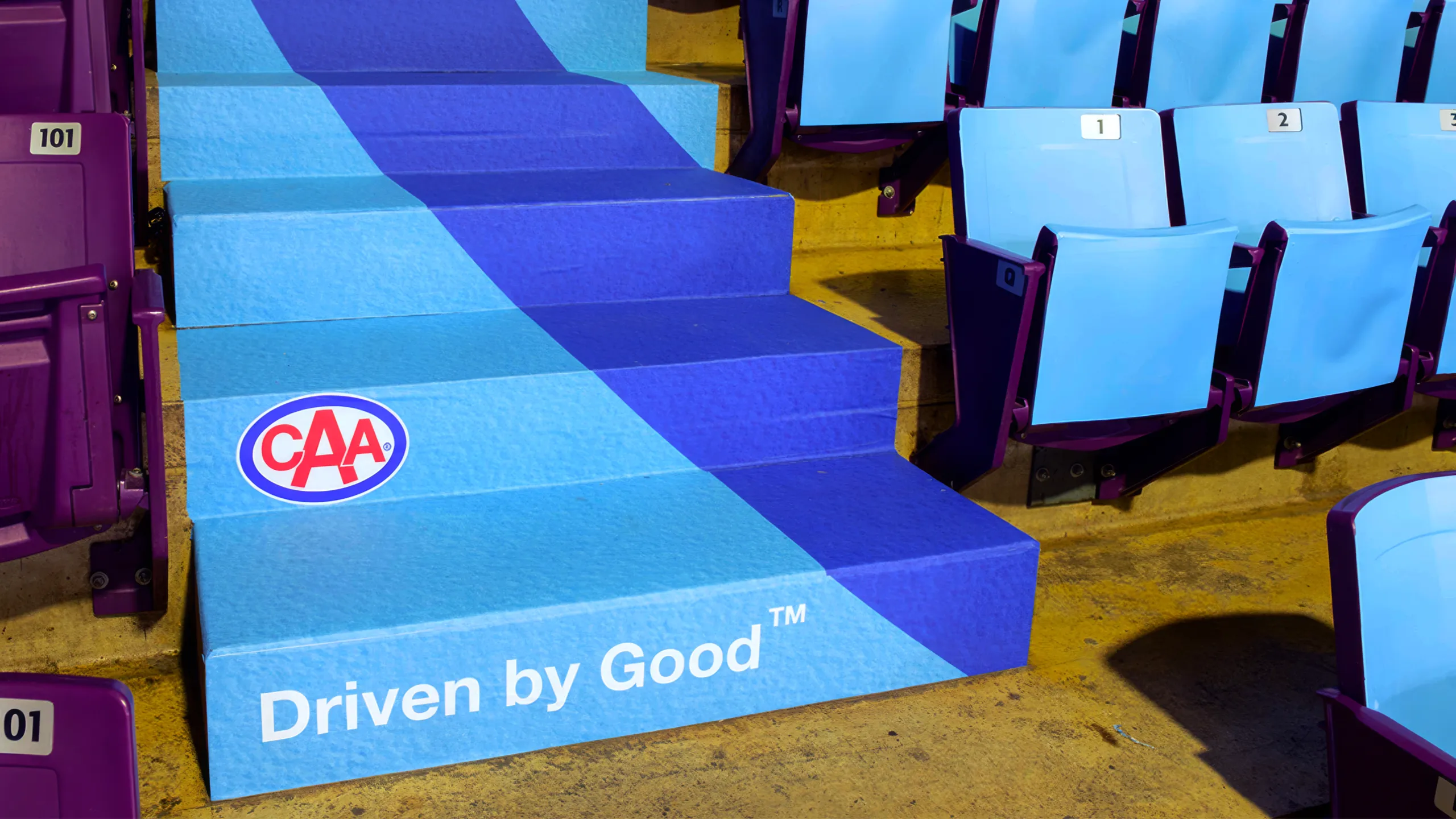
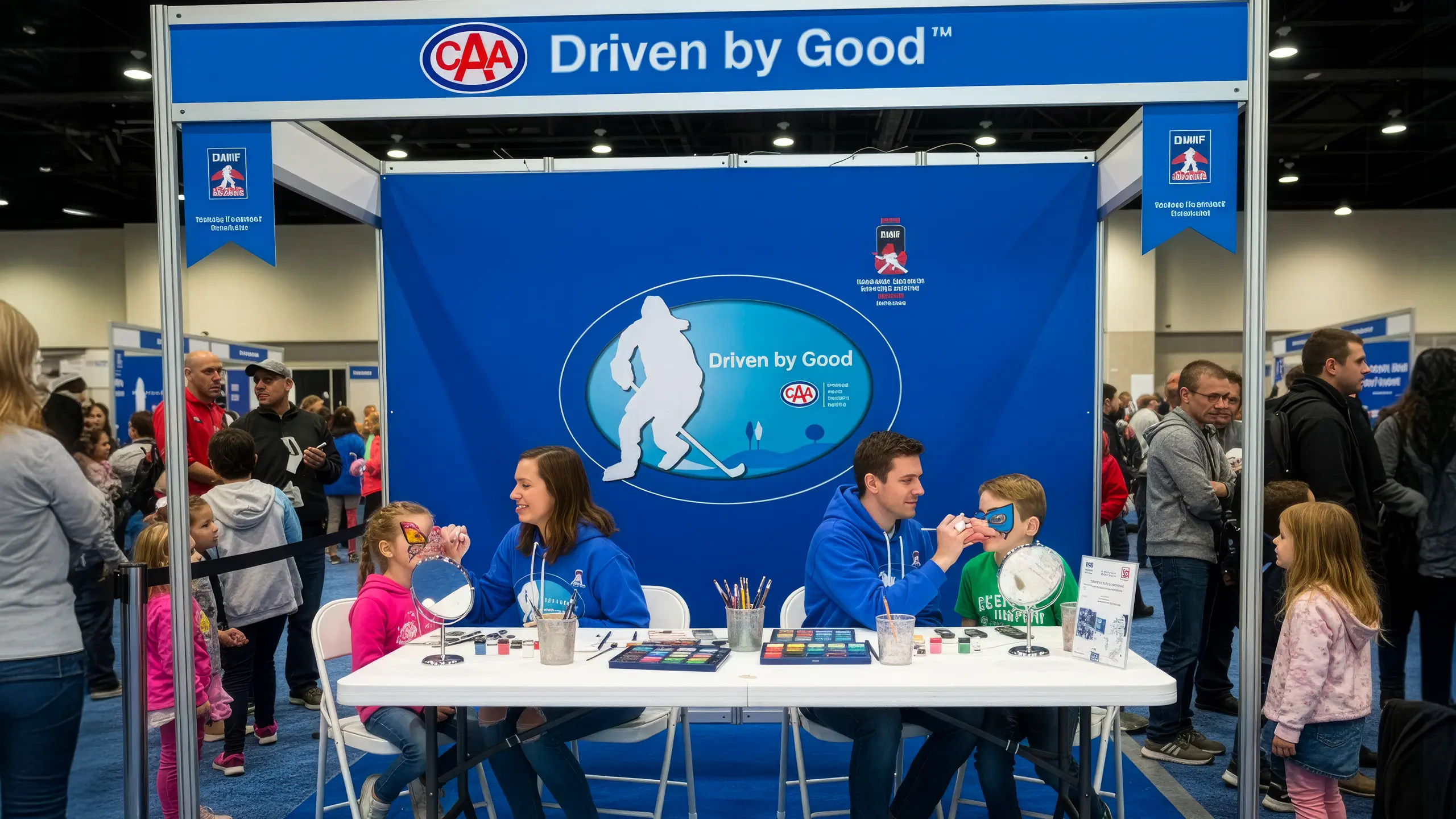
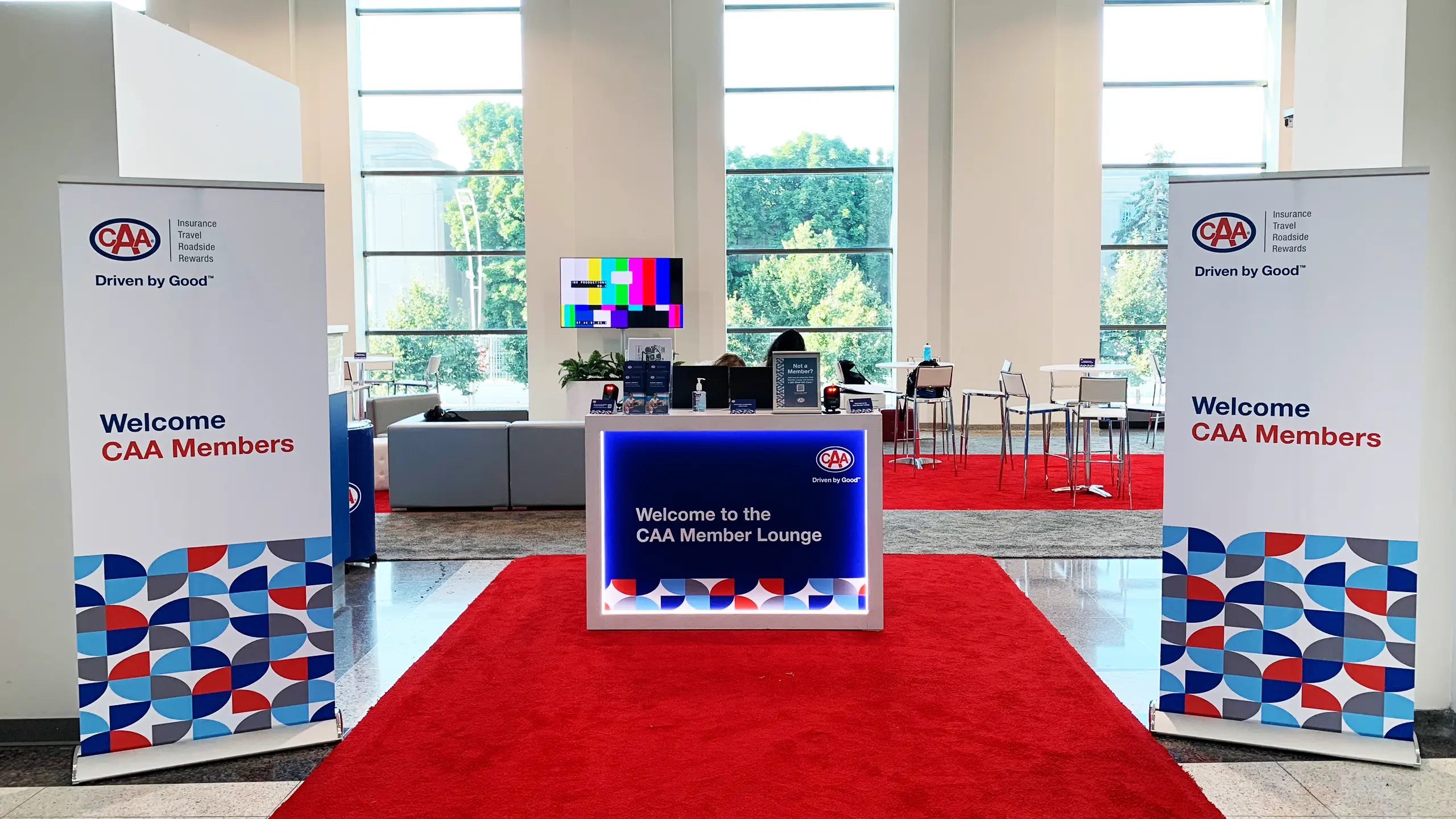
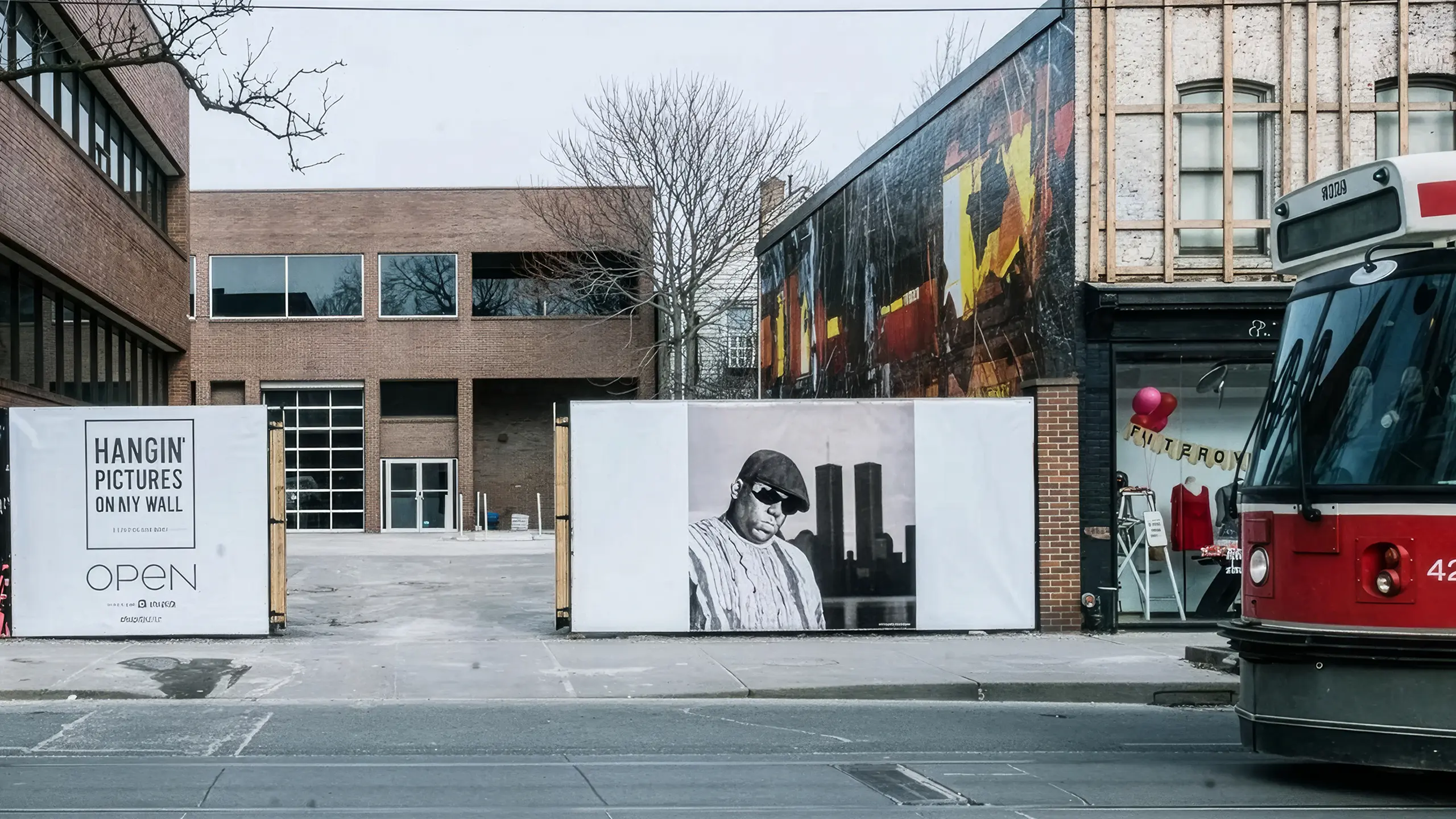
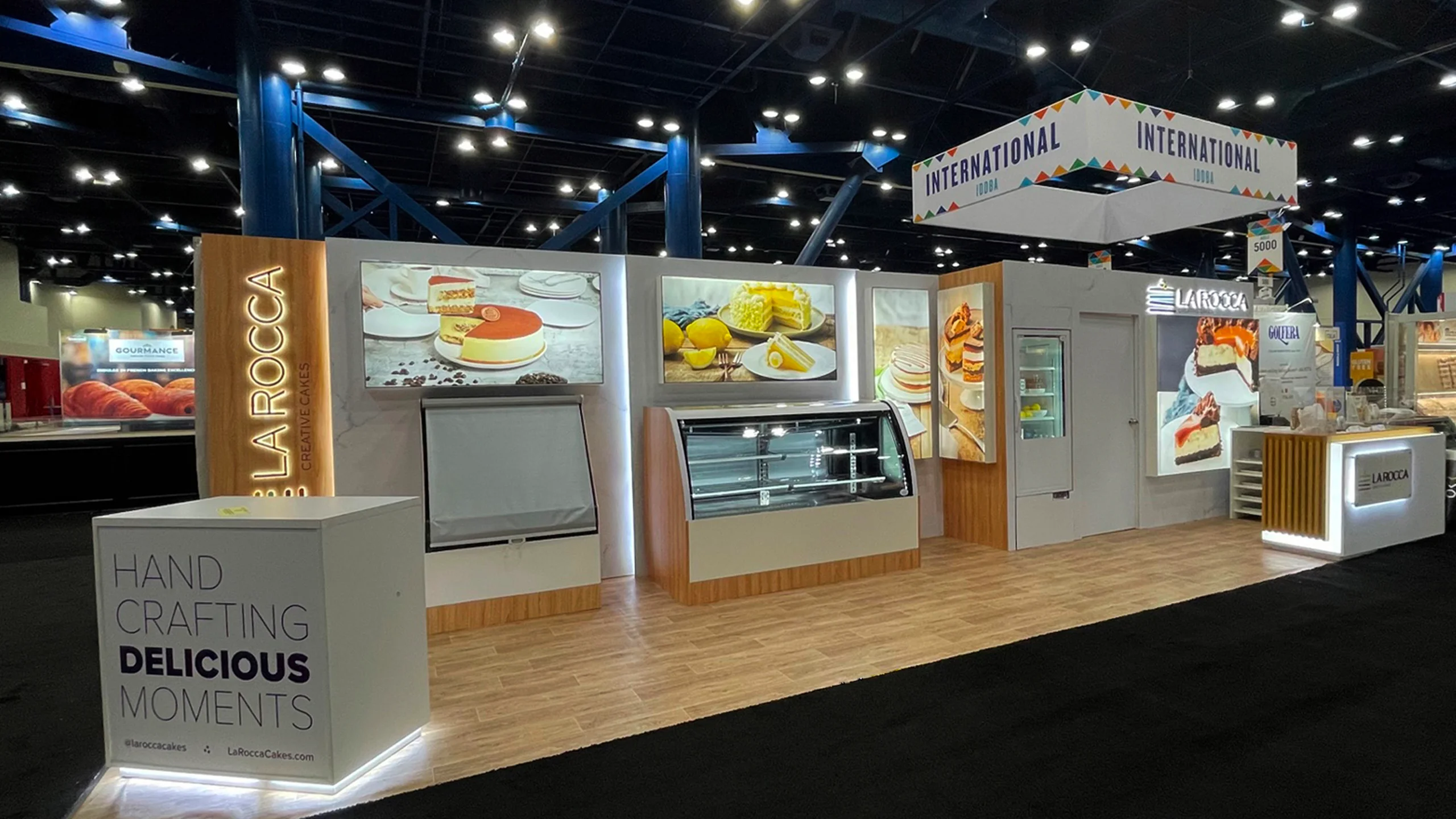
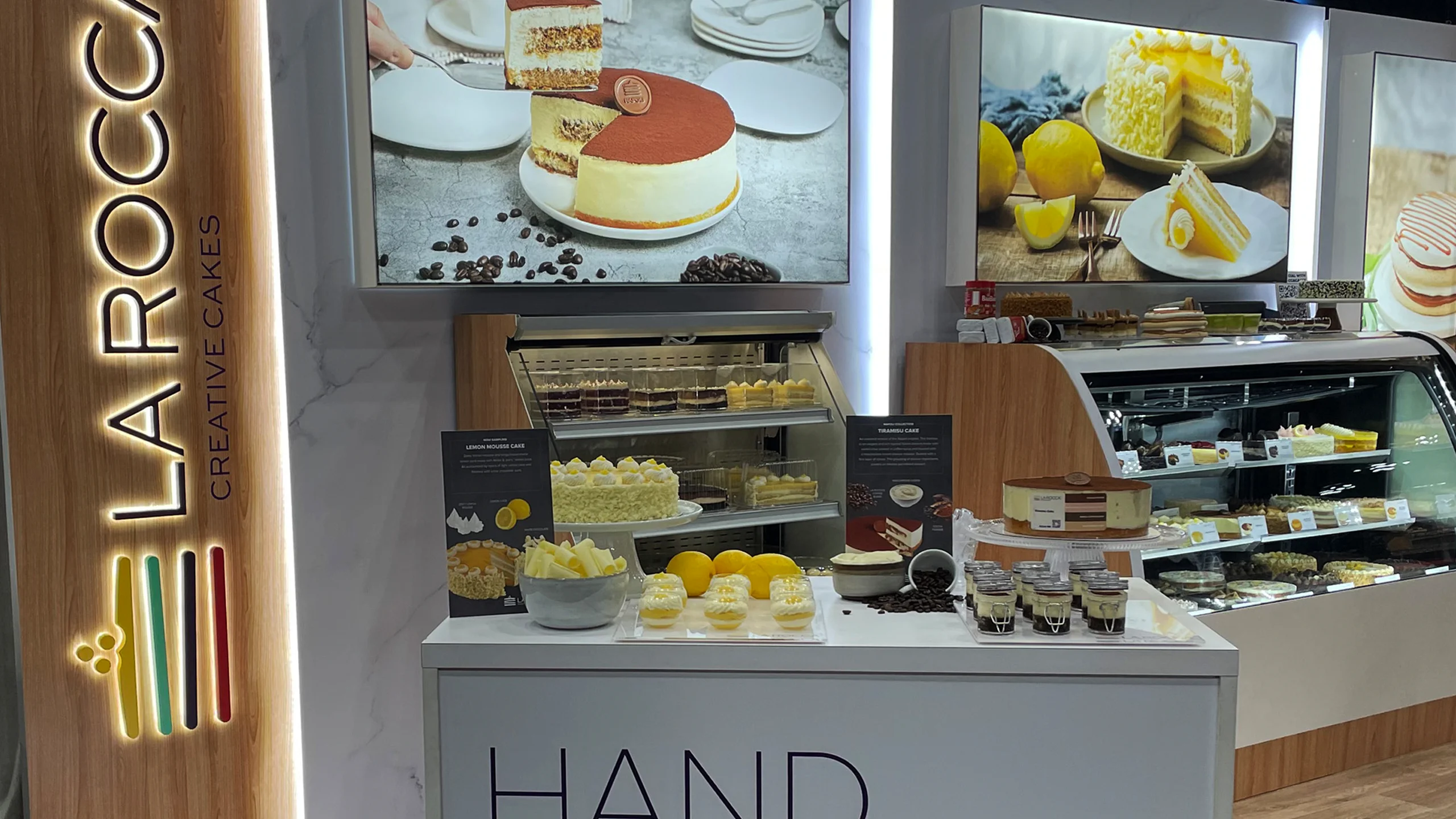
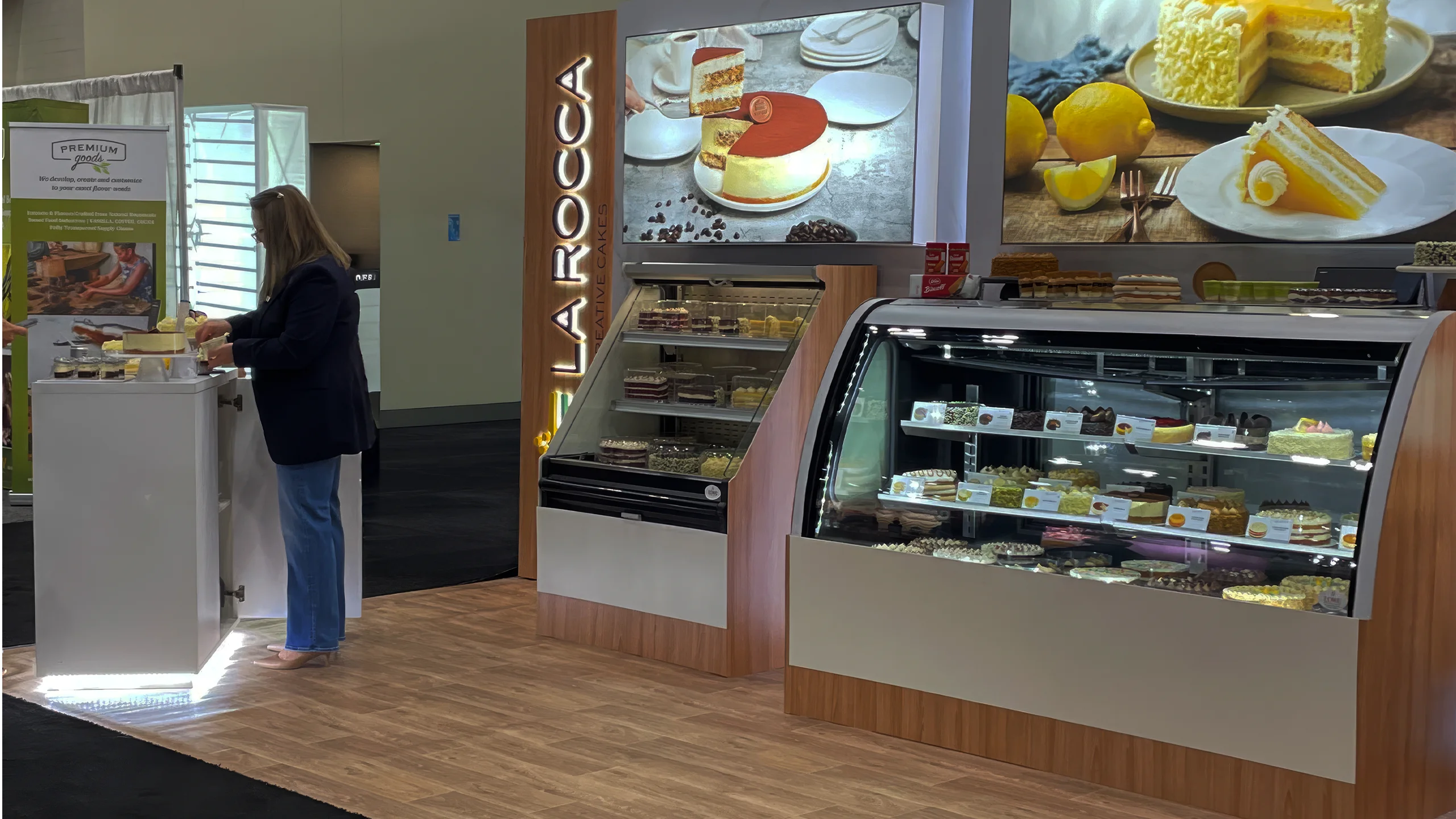
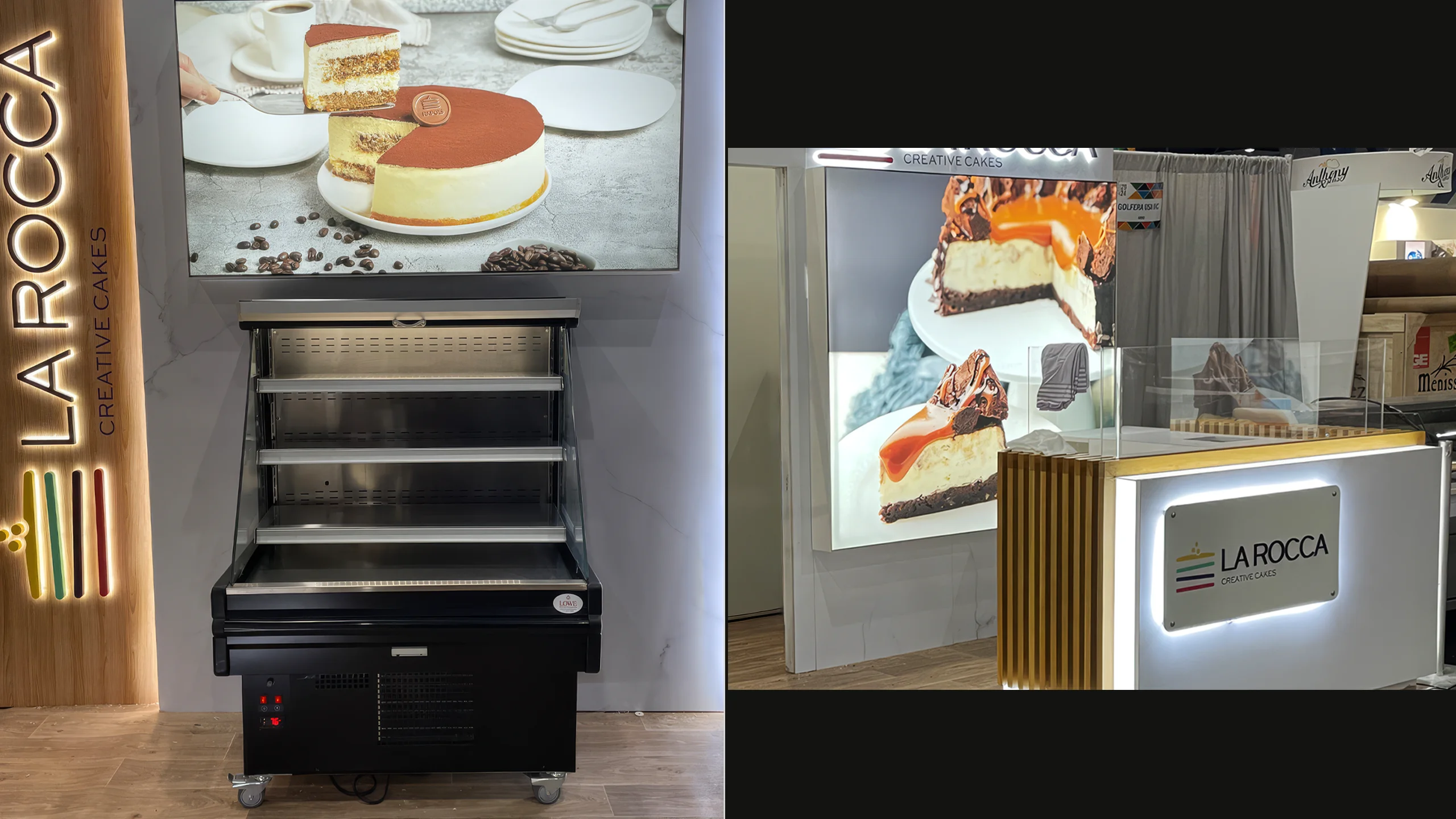
There’s a moment—you’ve felt it—when you walk into a space, encounter a brand, or experience something and think: this was made for me. That’s not accident. That’s experiential design working exactly as it should. At its core, it’s the deliberate shaping of how people feel when they encounter a brand—across every touchpoint, every surface, every interaction. Most brands are talking. Experiential design makes people feel something worth remembering. And here’s what I’ve come to believe after years of watching this work: people don’t make decisions with their logic. They make them with their gut and justify with their head afterward. When a brand genuinely connects, loyalty stops being transactional—it becomes instinctive. People stop comparing you to competitors on a spreadsheet and start defending you in conversations.

Standing out isn’t vanity. It’s oxygen. Without it, the most thoughtful strategy dissolves into noise—but attention alone is cheap and fleeting. The real work is what comes after: holding it long enough to create genuine exchange. Not a transaction. A conversation. The kind where someone feels seen, where trust is earned rather than broadcast. That’s what I care about—not campaigns that spike and fade, but the careful craft of making people feel something real, and building brands that earn a permanent place in the lives of the people they were made for.